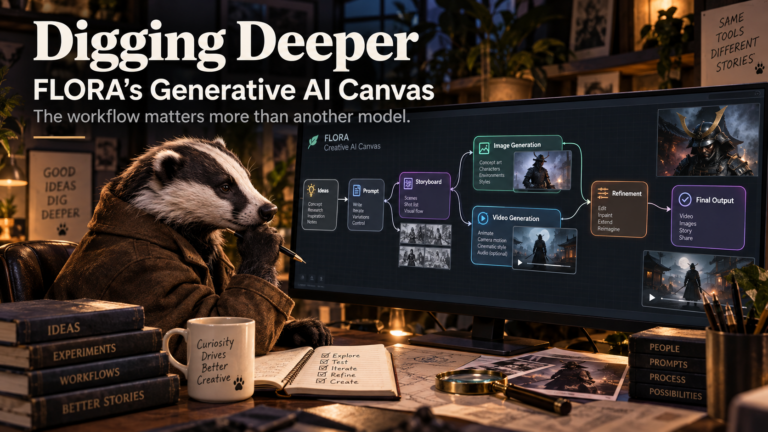
Shipaton 2026 is a real RevenueCat hackathon with more than $700,000 in cash prizes, but entrants must actually ship a new app to a supported store and integrate RevenueCat.
Rooko combines product analysis, templates, AI video generation and batch production for commerce content. The time savings are real, but the useful metric is how many finished videos are worth publishing.
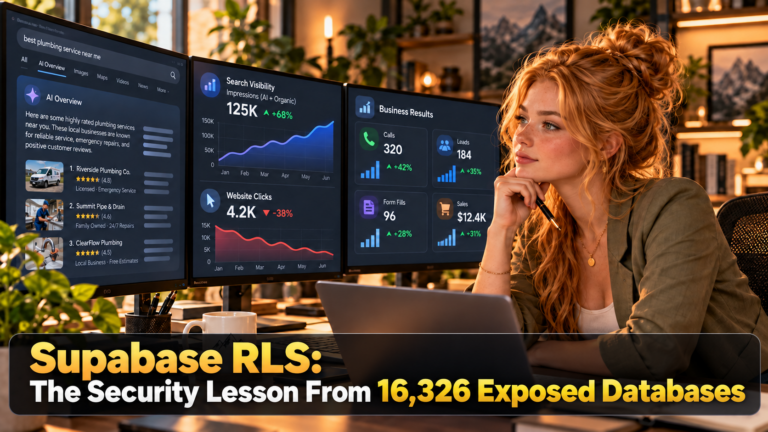
UpGuard found more than 16,000 Supabase databases exposing readable tables. The problem is a warning for anyone using AI coding tools: a working app is not automatically a secure app.
Vivago R1 is moving beyond single-shot generation with a multi-agent workflow for scripts, scenes, characters, sound and longer-form video. That is a meaningful shift, but continuity still needs direction.
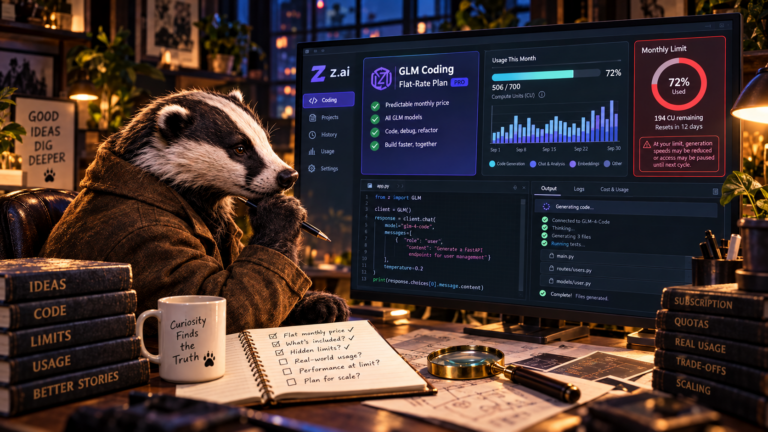
Z.ai’s GLM-5.3 coding plans replace open-ended API billing with subscription quotas, but the plans still have weekly credits and usage rules. Here is what ‘flat-rate’ actually means.
Base44 can generate real full-stack web apps from plain language, but a web game and a production game are not the same thing. Here is where prompt-built software shines and where engineering still matters.
Hyper3D Rodin really can turn images into exportable 3D assets, but ‘production-ready’ depends on the project. We look at formats, pricing, cleanup and where AI 3D generation fits.
Appy.AI is pitching persistent AI coworkers inside Slack and Microsoft Teams instead of another chatbot dashboard. The idea is compelling, but delegation, permissions and human review still matter.
SentinelAI is a real browser and Windows security product, but installing security software deserves more scrutiny than clicking a normal web app. We looked at the company, its claims, its free offer and its own limitations.
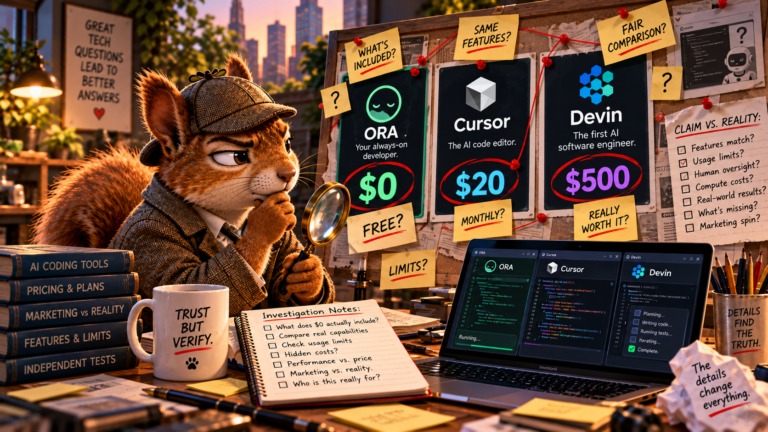
ORA by Aurem is a real AI coding service with a free tier and limited promotions, but the $0 comparison in its ad needs context. Here is what the product actually does, what it costs now, and where the fine print matters.