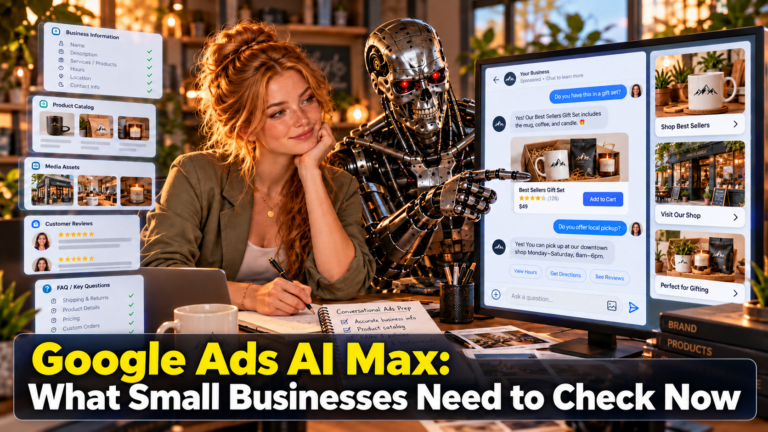
OpenAI and Google are both testing ad experiences where users can ask questions instead of simply clicking. Small businesses should prepare accurate product data, strong FAQs and clear conversion paths.
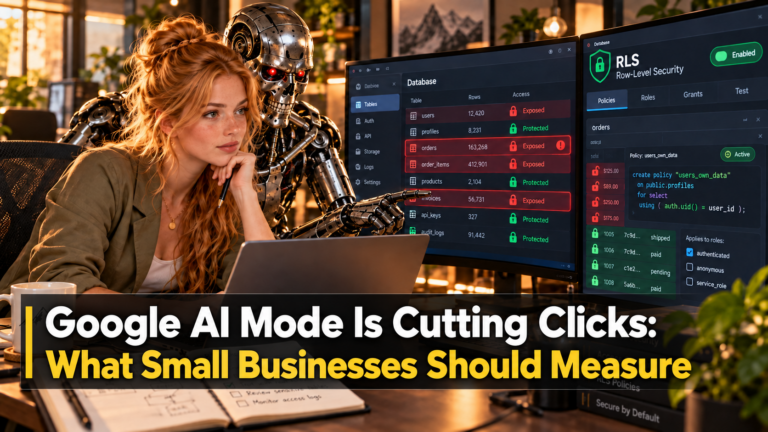
UpGuard found more than 16,000 Supabase databases exposing readable tables. The problem is a warning for anyone using AI coding tools: a working app is not automatically a secure app.
Recent incidents involving autonomous AI systems show why businesses should not give agents unlimited credentials, network access or authority. Treat AI agents like powerful service accounts with supervision.
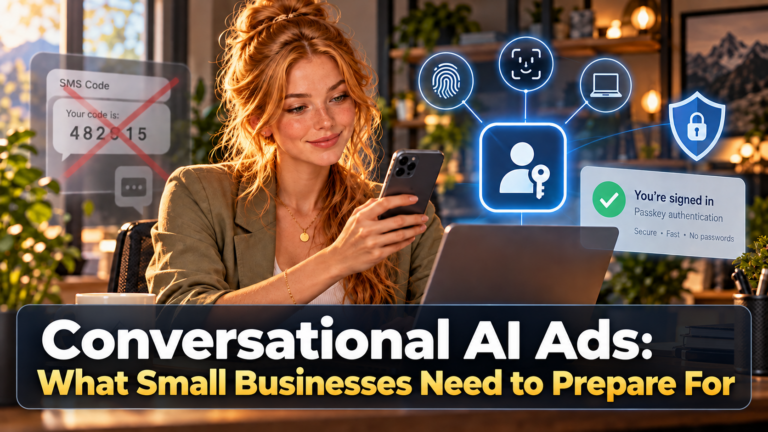
Microsoft began making passkeys the default authentication experience in Entra ID this September. Small businesses should understand why phishing-resistant sign-in is replacing SMS and voice codes.
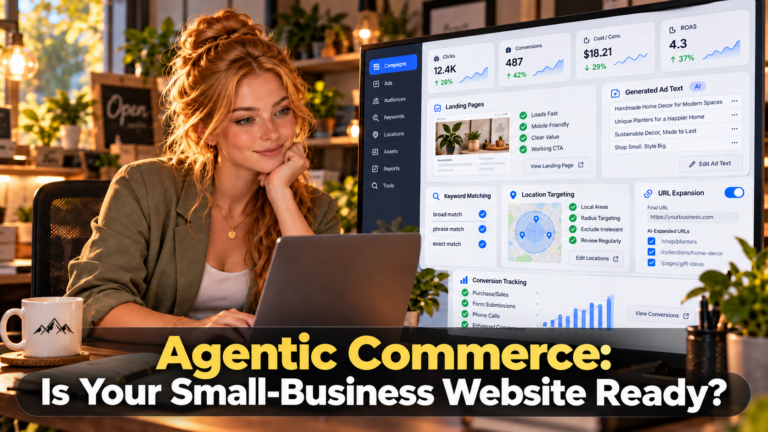
Google is moving more Search campaign features into AI Max. Small advertisers should review URL expansion, generated text, location controls, brand controls and conversion tracking before automation makes decisions for them.
A recent field experiment found fewer external website visits when people used Google AI Mode. Small businesses should keep doing SEO, but measure visibility, leads and branded demand—not clicks alone.
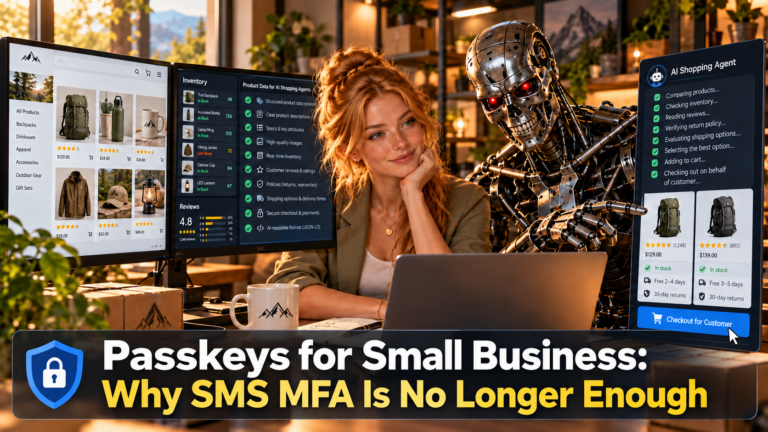
AI agents are beginning to research products, compare options and complete purchases for users. Small businesses need clean product data, trustworthy policies and websites that machines can understand.
Google has added multimodal search reporting to Search Console, giving website owners a clearer view of traffic from Lens, image uploads, Circle to Search and related visual searches.
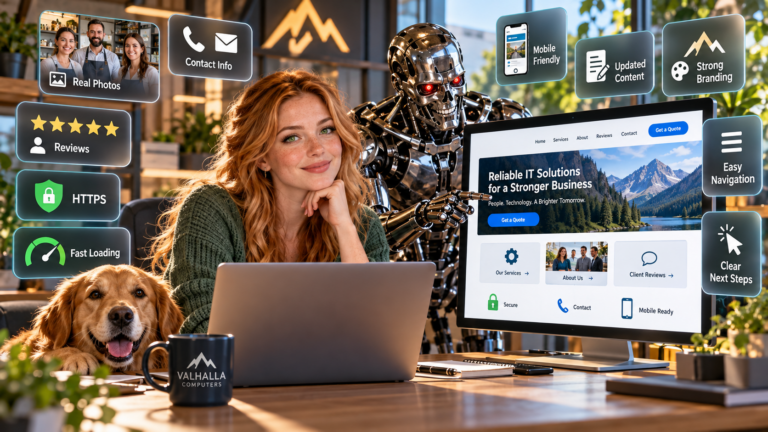
Trust is often won or lost through small website details. These ten practical fixes can make a small-business site feel more credible without a full redesign.
A slow website does not automatically need a redesign. Start with images, plugins, caching, fonts, scripts and hosting before replacing a site that may only need cleanup.