AISure offers many AI models and creative tools in one UK-built workspace for £9.99 a month. The bundle is real, but unlimited access still depends on provider costs and fair-use realities.
Supercreator combines AI chatting, CRM, automation and analytics for OnlyFans creators. The technology is real, but authenticity and platform responsibility do not disappear.
Deepshi combines its own privacy-focused models with access to mainstream AI tools and fewer content restrictions. The privacy and moderation claims deserve separate scrutiny.
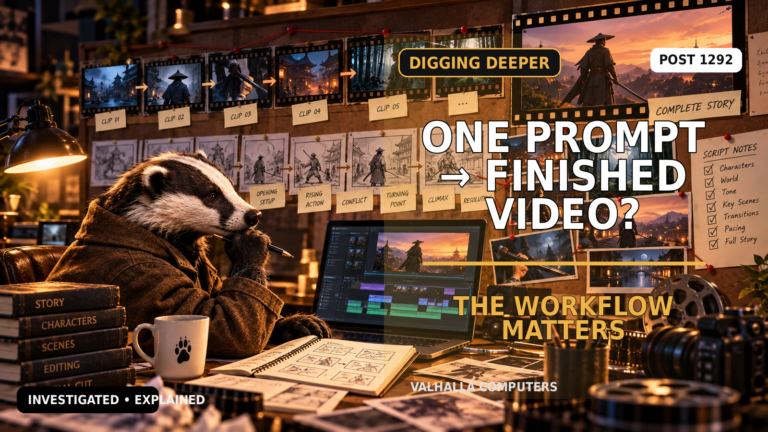
CREAO combines persistent agents, script planning and video generation into repeatable workflows. The real advantage is not one magic prompt but a system that remembers how you work.
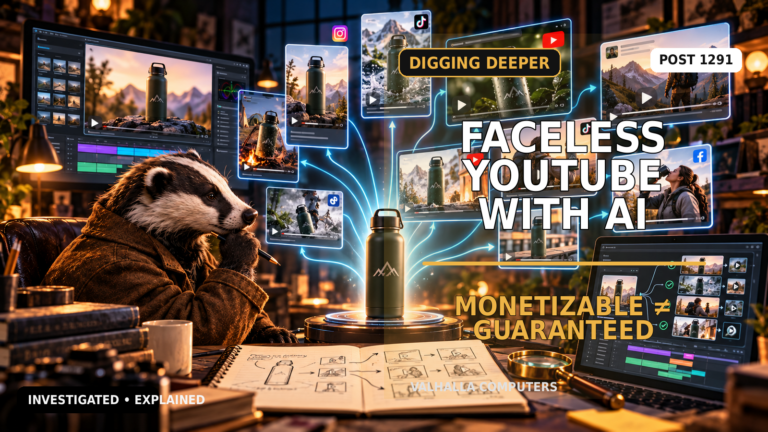
ElevenLabs can now generate much of a faceless-video workflow, but monetization depends on originality, licensing and platform rules—not merely using AI tools.
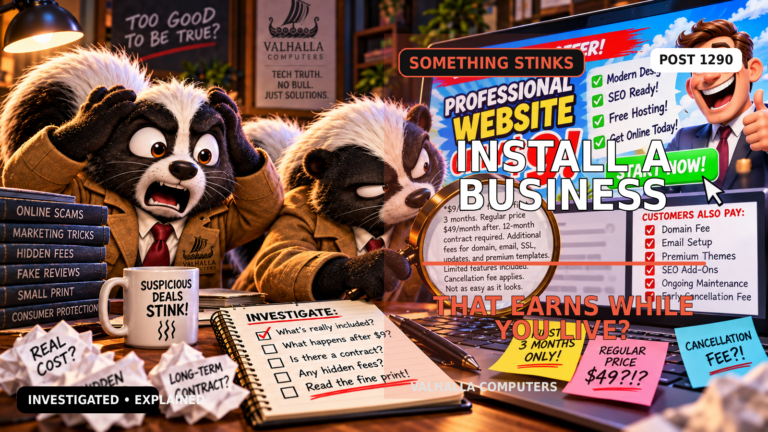
AI Flipping sells done-for-you income systems and a low-time-commitment business model. The product may provide useful templates, but an installed system is not installed demand.
Rebel Angler’s tackle tester program is real, but ‘free tackle’ comes with a one-time sticker purchase and shipping costs on test products. Here is how the program actually works.
VDX Marketing advertises a free professional website for Emerald Coast businesses that commit to a 12-month marketing plan. The website may be free, but the relationship is not.
Inworld’s TTS pricing falls as customer spend increases, reaching $12.50 per million characters on a high-volume plan. The ad is real but aimed at application-scale usage, not casual creators.