CinemaFlow has a real seven-day trial and access to nearly 100 AI video models, but video generation is credit-based and the number of clips depends on model, length and settings.
AISure offers many AI models and creative tools in one UK-built workspace for £9.99 a month. The bundle is real, but unlimited access still depends on provider costs and fair-use realities.
AI Flipping sells done-for-you income systems and a low-time-commitment business model. The product may provide useful templates, but an installed system is not installed demand.
Rebel Angler’s tackle tester program is real, but ‘free tackle’ comes with a one-time sticker purchase and shipping costs on test products. Here is how the program actually works.
VDX Marketing advertises a free professional website for Emerald Coast businesses that commit to a 12-month marketing plan. The website may be free, but the relationship is not.
Famous.ai is a real full-stack app builder, but its ‘Synthetic Intelligence’ label is a proprietary marketing term rather than a new scientific category replacing artificial intelligence.
Panda.new can generate working web apps rapidly from plain language, but launching a real business requires persistent data, payments, testing, security and customers.
GoMining sells digital miners backed by physical mining infrastructure and distributes BTC rewards. Returns depend on hashpower, energy costs, Bitcoin economics and platform terms.
WOW! promotes low introductory internet prices for qualified new customers. The advertised rate requires conditions such as AutoPay and paperless billing and excludes some additional charges.
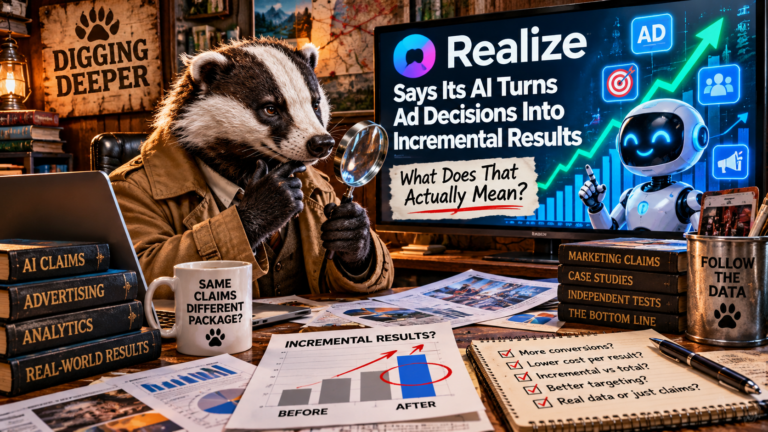
Realize is a legitimate performance-advertising platform with deep-learning optimization and a massive publisher network. The useful question is what ‘incremental results’ means for a small advertiser.