WOW! promotes low introductory internet prices for qualified new customers. The advertised rate requires conditions such as AutoPay and paperless billing and excludes some additional charges.
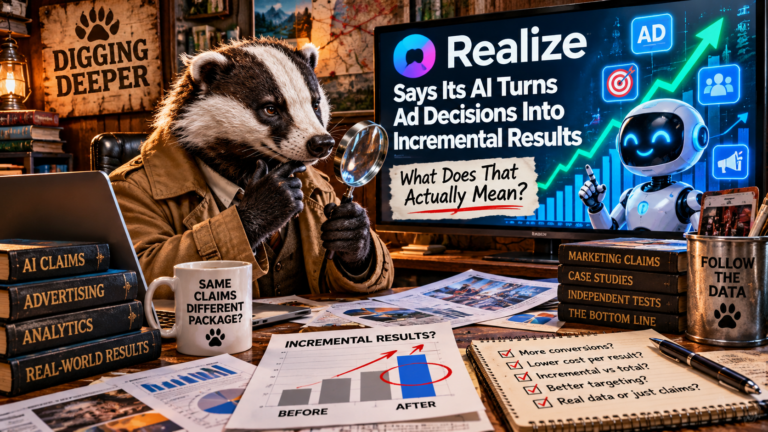
Realize is a legitimate performance-advertising platform with deep-learning optimization and a massive publisher network. The useful question is what ‘incremental results’ means for a small advertiser.
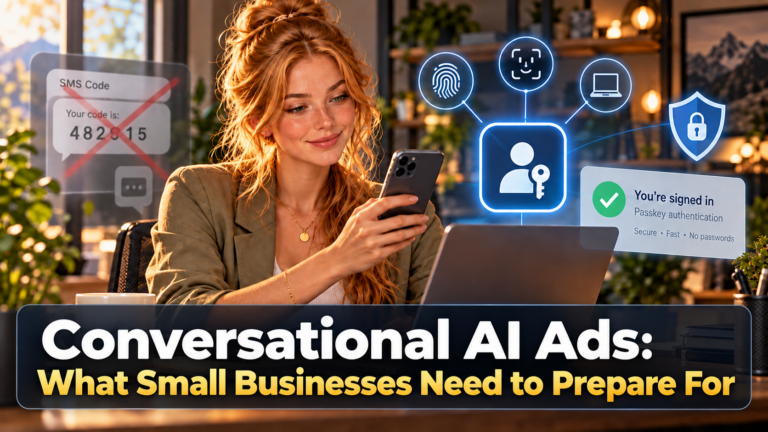
OpenAI and Google are both testing ad experiences where users can ask questions instead of simply clicking. Small businesses should prepare accurate product data, strong FAQs and clear conversion paths.
Rooko combines product analysis, templates, AI video generation and batch production for commerce content. The time savings are real, but the useful metric is how many finished videos are worth publishing.
UpGuard found more than 16,000 Supabase databases exposing readable tables. The problem is a warning for anyone using AI coding tools: a working app is not automatically a secure app.
The Miracle-Ear ad’s ’30 people’ scarcity language gets attention, but the bigger detail is in the company’s own terms: the risk-free trial generally follows a purchase and local conditions can vary.
Vivago R1 is moving beyond single-shot generation with a multi-agent workflow for scripts, scenes, characters, sound and longer-form video. That is a meaningful shift, but continuity still needs direction.
Recent incidents involving autonomous AI systems show why businesses should not give agents unlimited credentials, network access or authority. Treat AI agents like powerful service accounts with supervision.
Z.ai’s GLM-5.3 coding plans replace open-ended API billing with subscription quotas, but the plans still have weekly credits and usage rules. Here is what ‘flat-rate’ actually means.
Microsoft began making passkeys the default authentication experience in Entra ID this September. Small businesses should understand why phishing-resistant sign-in is replacing SMS and voice codes.