Panda.new can generate working web apps rapidly from plain language, but launching a real business requires persistent data, payments, testing, security and customers.
GoMining sells digital miners backed by physical mining infrastructure and distributes BTC rewards. Returns depend on hashpower, energy costs, Bitcoin economics and platform terms.
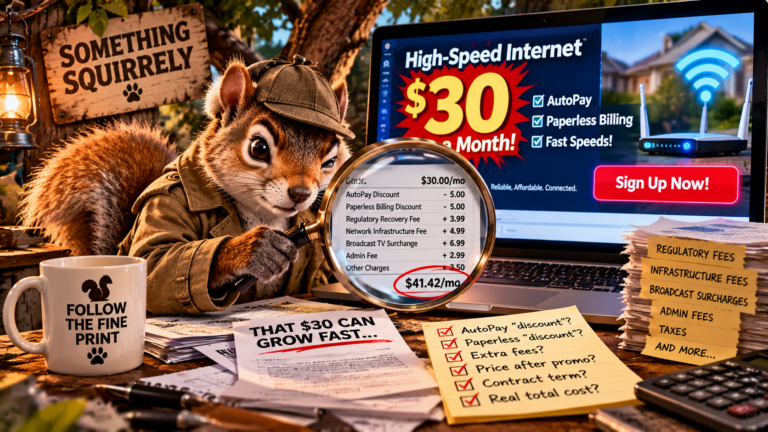
WOW! promotes low introductory internet prices for qualified new customers. The advertised rate requires conditions such as AutoPay and paperless billing and excludes some additional charges.
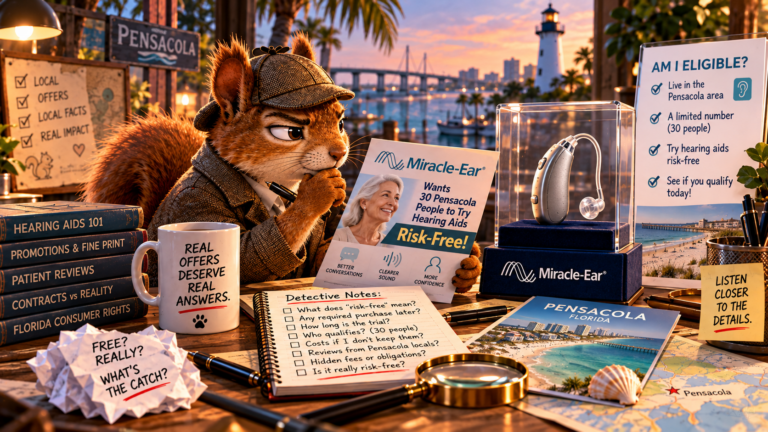
The Miracle-Ear ad’s ’30 people’ scarcity language gets attention, but the bigger detail is in the company’s own terms: the risk-free trial generally follows a purchase and local conditions can vary.
Ultimate Insurance ads promote no-deposit coverage and rates as low as $38 a month. The real offer is a quote-comparison funnel, and the advertised number is not the price most drivers should expect.
Hyper3D Rodin really can turn images into exportable 3D assets, but ‘production-ready’ depends on the project. We look at formats, pricing, cleanup and where AI 3D generation fits.
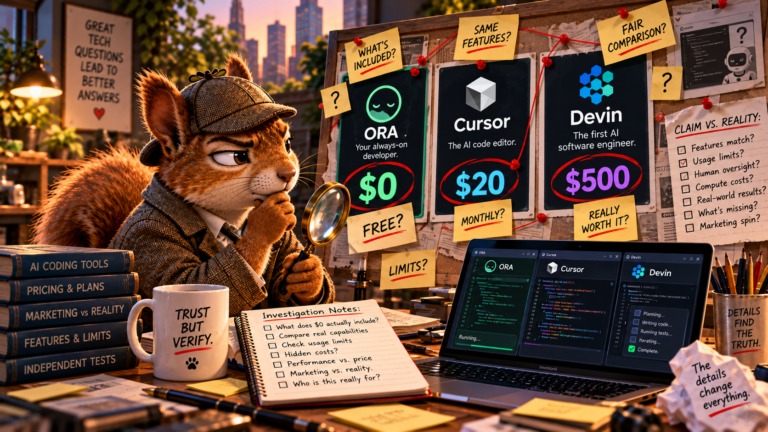
ORA by Aurem is a real AI coding service with a free tier and limited promotions, but the $0 comparison in its ad needs context. Here is what the product actually does, what it costs now, and where the fine print matters.
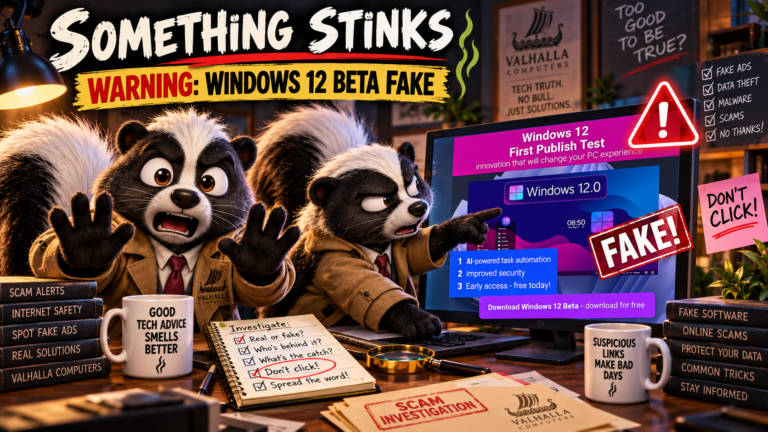
A Facebook ad claims a free Windows 12 Beta is available now. Microsoft’s current Insider channels still publish Windows 11 previews, and the ad’s download destination is not Microsoft.
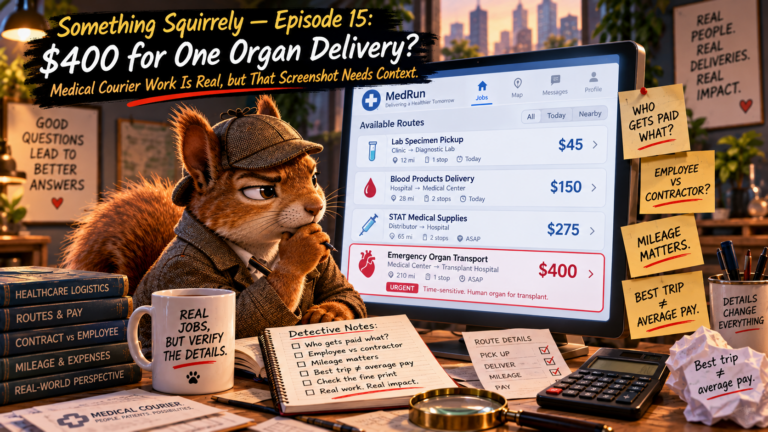
Medical courier jobs are real, and the public job board shows legitimate employers and hourly ranges. The dramatic $400 emergency organ-delivery screenshot is where the advertising needs more context.
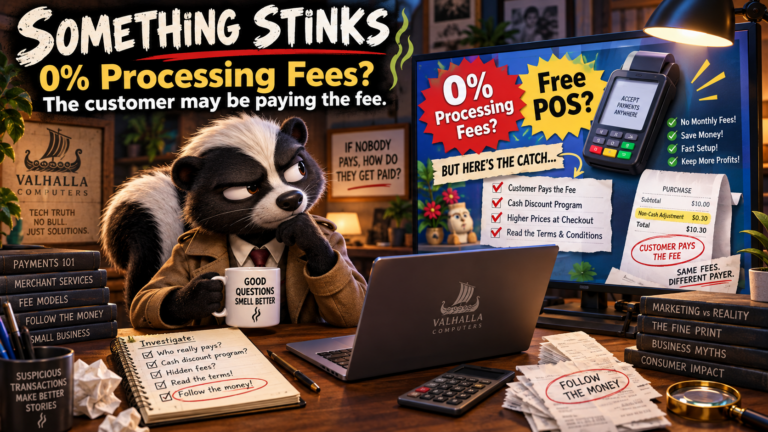
National Bankcard advertises 0% processing and free Clover equipment. Its own site explains the key detail: the Cash Discount Program passes processing costs to the customer.