Deepshi combines its own privacy-focused models with access to mainstream AI tools and fewer content restrictions. The privacy and moderation claims deserve separate scrutiny.
Rebel Angler’s tackle tester program is real, but ‘free tackle’ comes with a one-time sticker purchase and shipping costs on test products. Here is how the program actually works.
VDX Marketing advertises a free professional website for Emerald Coast businesses that commit to a 12-month marketing plan. The website may be free, but the relationship is not.
GoMining sells digital miners backed by physical mining infrastructure and distributes BTC rewards. Returns depend on hashpower, energy costs, Bitcoin economics and platform terms.
WOW! promotes low introductory internet prices for qualified new customers. The advertised rate requires conditions such as AutoPay and paperless billing and excludes some additional charges.
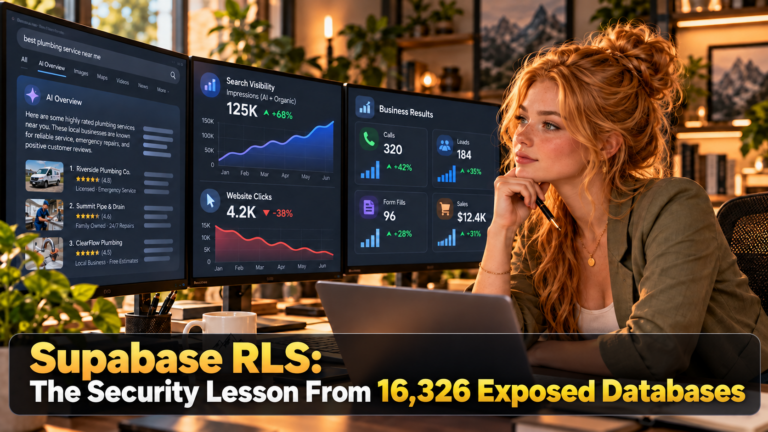
UpGuard found more than 16,000 Supabase databases exposing readable tables. The problem is a warning for anyone using AI coding tools: a working app is not automatically a secure app.
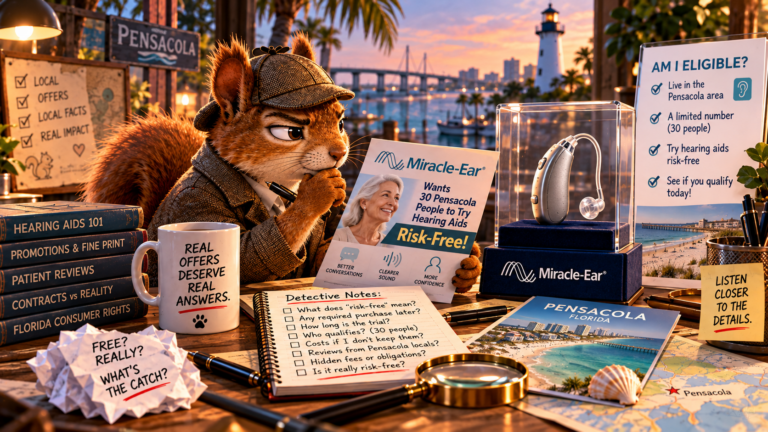
The Miracle-Ear ad’s ’30 people’ scarcity language gets attention, but the bigger detail is in the company’s own terms: the risk-free trial generally follows a purchase and local conditions can vary.
Recent incidents involving autonomous AI systems show why businesses should not give agents unlimited credentials, network access or authority. Treat AI agents like powerful service accounts with supervision.
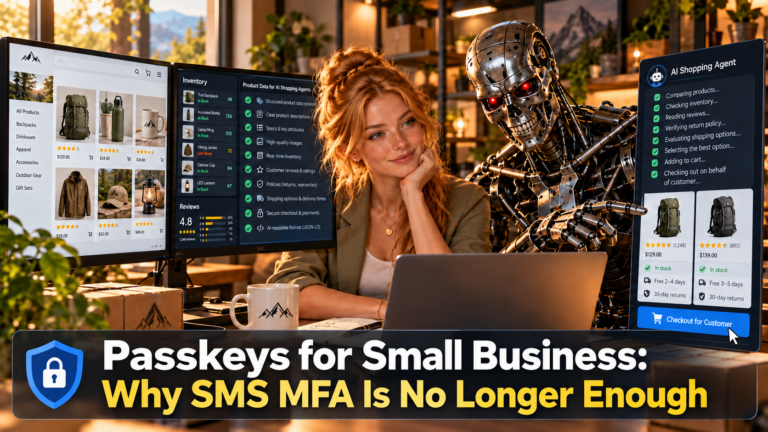
Microsoft began making passkeys the default authentication experience in Entra ID this September. Small businesses should understand why phishing-resistant sign-in is replacing SMS and voice codes.
Ultimate Insurance ads promote no-deposit coverage and rates as low as $38 a month. The real offer is a quote-comparison funnel, and the advertised number is not the price most drivers should expect.