Z.ai’s GLM-5.3 coding plans replace open-ended API billing with subscription quotas, but the plans still have weekly credits and usage rules. Here is what ‘flat-rate’ actually means.
Base44 can generate real full-stack web apps from plain language, but a web game and a production game are not the same thing. Here is where prompt-built software shines and where engineering still matters.
Hyper3D Rodin really can turn images into exportable 3D assets, but ‘production-ready’ depends on the project. We look at formats, pricing, cleanup and where AI 3D generation fits.
Appy.AI is pitching persistent AI coworkers inside Slack and Microsoft Teams instead of another chatbot dashboard. The idea is compelling, but delegation, permissions and human review still matter.
SentinelAI is a real browser and Windows security product, but installing security software deserves more scrutiny than clicking a normal web app. We looked at the company, its claims, its free offer and its own limitations.
ORA by Aurem is a real AI coding service with a free tier and limited promotions, but the $0 comparison in its ad needs context. Here is what the product actually does, what it costs now, and where the fine print matters.
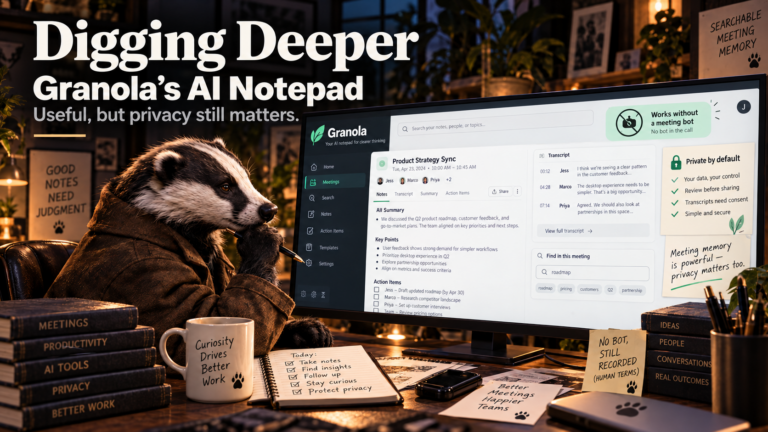
Granola records meeting audio through your device instead of sending a bot into the call, then turns notes and transcripts into searchable meeting memory. That is useful—but still worth treating as recorded conversation.
RunningHub really does offer one-click cutout workflows, but its larger story is a marketplace for AI apps, ComfyUI workflows and model APIs with usage-based billing.
FLORA puts text, image and video models into a node-based creative canvas. The real value is not one more generator—it is turning repeatable creative work into a visible workflow.
Vivago Agent01 says one sentence can become a complete video. The automation is real, but the meaning of “complete” still includes review, retries, credits and human judgment.