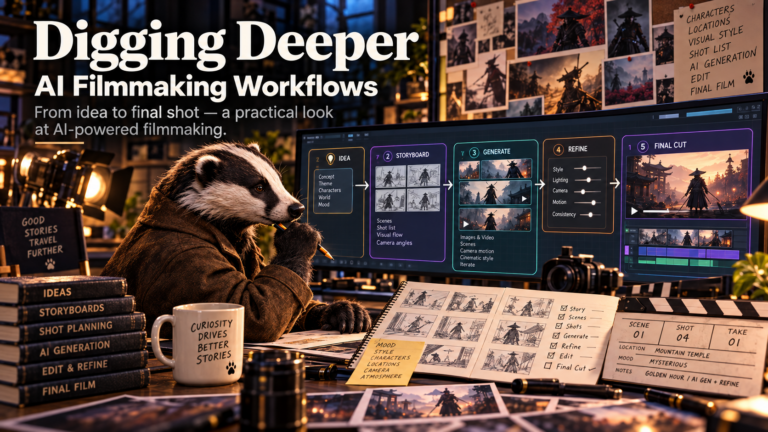
CinemaFlow has a real seven-day trial and access to nearly 100 AI video models, but video generation is credit-based and the number of clips depends on model, length and settings.
Renoise combines major video and image models with scripts, storyboards and editing tools. The convenience is real, but every generation still consumes credits.
CREAO combines persistent agents, script planning and video generation into repeatable workflows. The real advantage is not one magic prompt but a system that remembers how you work.
ElevenLabs can now generate much of a faceless-video workflow, but monetization depends on originality, licensing and platform rules—not merely using AI tools.
Autodesk Flow Studio’s new 3D Editor and Canvas combine controllable staging with generative models. The key idea is that creators need cameras, lighting and blocking—not endless rerolls.
Delulu applies AI identity transformation live to a webcam feed for streaming, calls and recordings. It is a compelling avatar technology with equally compelling consent and impersonation questions.
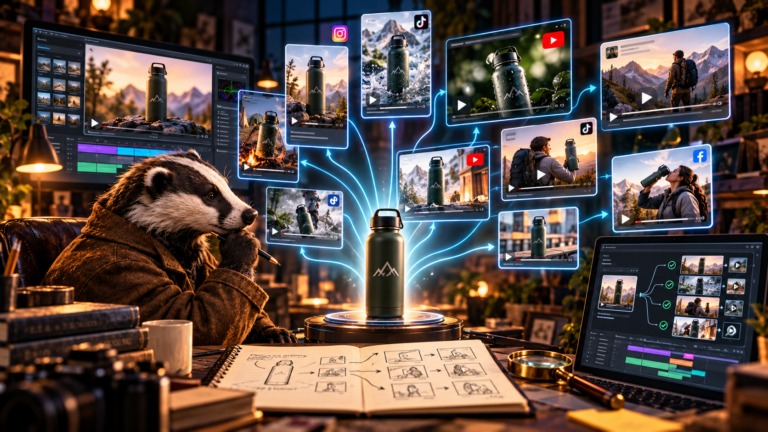
Rooko combines product analysis, templates, AI video generation and batch production for commerce content. The time savings are real, but the useful metric is how many finished videos are worth publishing.
Vivago R1 is moving beyond single-shot generation with a multi-agent workflow for scripts, scenes, characters, sound and longer-form video. That is a meaningful shift, but continuity still needs direction.
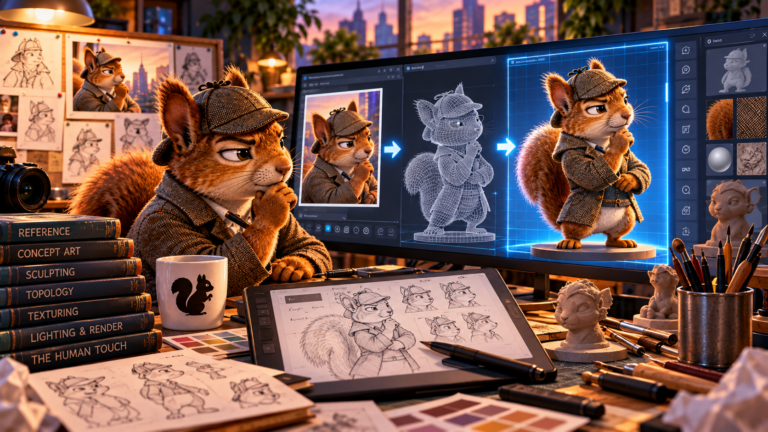
Hyper3D Rodin really can turn images into exportable 3D assets, but ‘production-ready’ depends on the project. We look at formats, pricing, cleanup and where AI 3D generation fits.
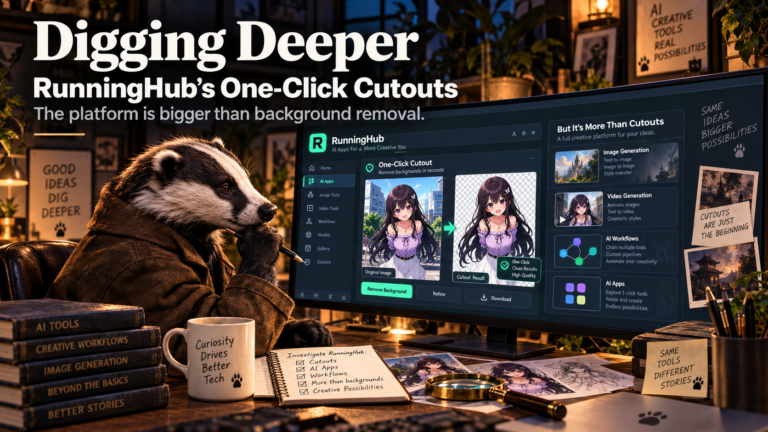
RunningHub really does offer one-click cutout workflows, but its larger story is a marketplace for AI apps, ComfyUI workflows and model APIs with usage-based billing.