Ultimate Insurance ads promote no-deposit coverage and rates as low as $38 a month. The real offer is a quote-comparison funnel, and the advertised number is not the price most drivers should expect.
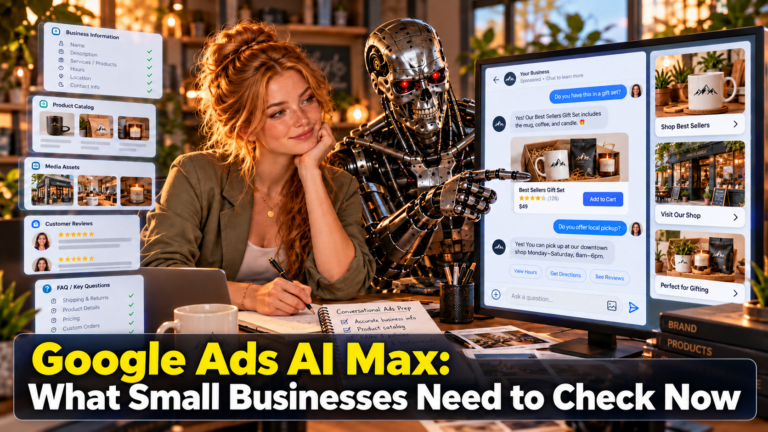
Google is moving more Search campaign features into AI Max. Small advertisers should review URL expansion, generated text, location controls, brand controls and conversion tracking before automation makes decisions for them.
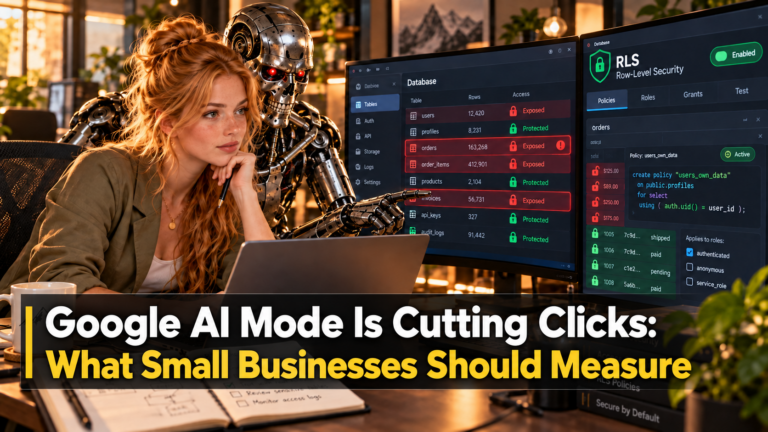
A recent field experiment found fewer external website visits when people used Google AI Mode. Small businesses should keep doing SEO, but measure visibility, leads and branded demand—not clicks alone.
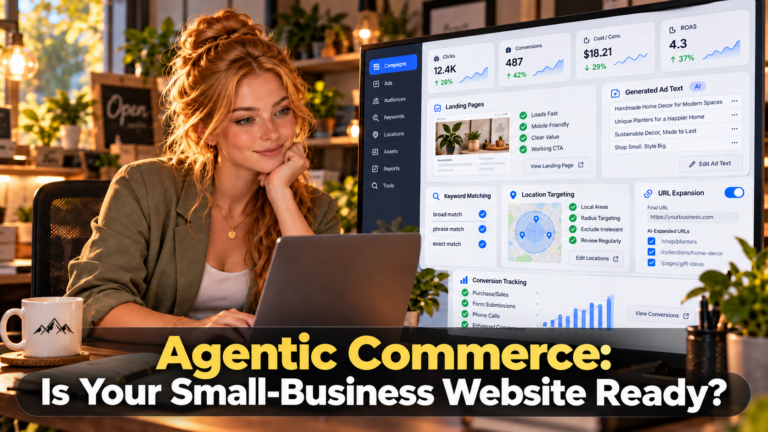
AI agents are beginning to research products, compare options and complete purchases for users. Small businesses need clean product data, trustworthy policies and websites that machines can understand.
A real customer question can become an article, FAQ, social posts, email, short video and internal sales resource. The trick is expanding the answer without repeating the same sentence everywhere.
A mobile website can often be improved without a full redesign. Fix tap targets, forms, popups, text size, image weight, navigation and calls to action first.
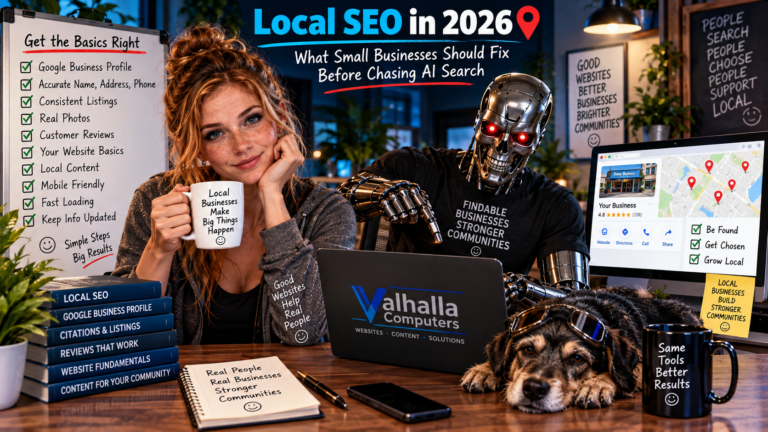
AI search matters, but local businesses still need the fundamentals: accurate business information, useful service pages, reviews, crawlable websites, internal links and strong local signals.
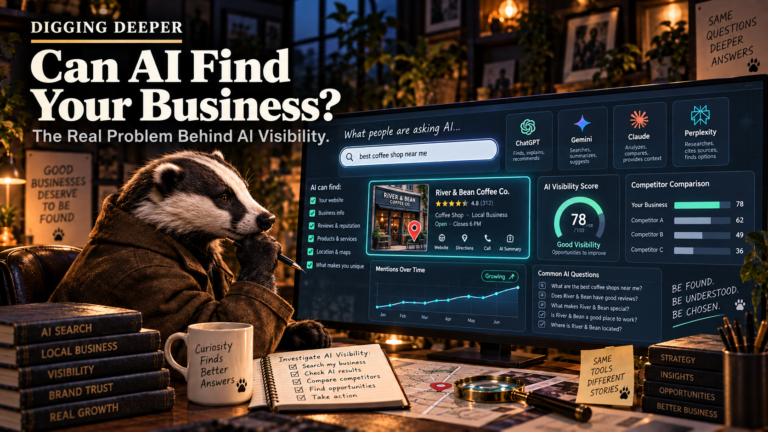
BeFound AI measures whether ChatGPT, Gemini, Claude and Perplexity mention a business, then sells automatic technical fixes and content. The AI visibility problem is real, but some proposed fixes are more proven than others.
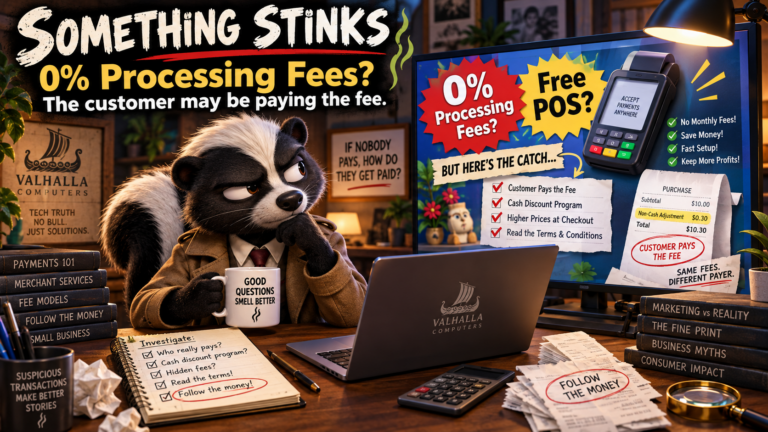
National Bankcard advertises 0% processing and free Clover equipment. Its own site explains the key detail: the Cash Discount Program passes processing costs to the customer.
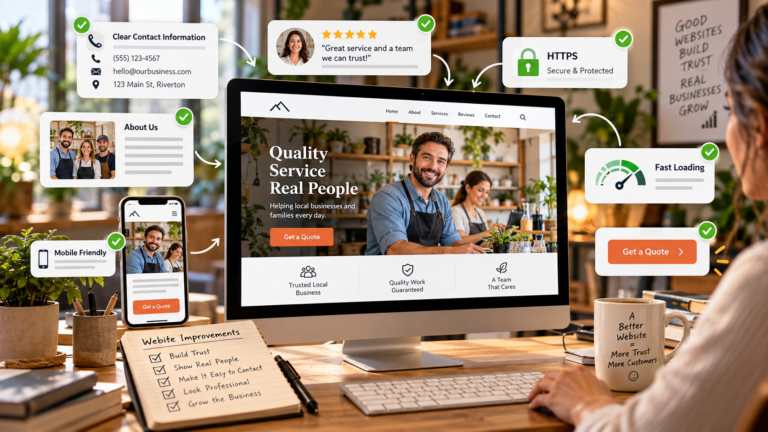
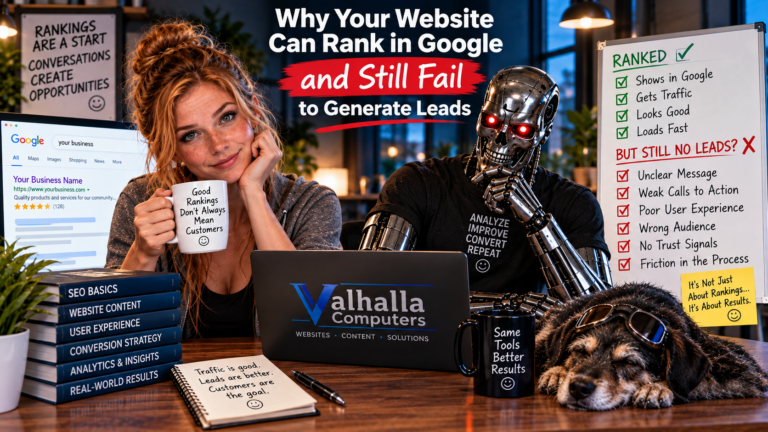
Traffic and rankings are only the first half of the job. A website can appear in search and still lose leads through weak offers, poor trust signals, confusing navigation, slow pages and bad calls to action.